

14.08.2024
A loved one is moving into a nursing home: what should you do with their apartment or house?
A loved one is moving into a nursing home: what should you do with their apartment or house?
When a loved one moves into a nursing home (EMS – établissement médico-social), it is a major life transition that comes with many personal, administrative and financial decisions. If the person owns their home, one question often arises very quickly: what should be done with their apartment or house after they move into an EMS?
Should the property be kept, rented out or sold? There is no single right answer. The decision depends in particular on the owner’s financial situation, the condition of the property, how it is financed and the family’s plans.
Here are the main options to consider before making a decision.
How much does a nursing home cost in French-speaking Switzerland?
The cost of staying in an EMS varies depending on the Canton, the facility, the level of care required and the services selected. For example, in the canton of Vaud, the authorities indicate that in 2026, the contribution towards EMS costs, health insurance premiums, as well as the deductible and co-payment, generally represent a total monthly budget of between CHF 6,000 and CHF 7,000.
When income is insufficient to cover EMS costs, supplementary benefits (prestations complémentaires or PC) may provide financial support. However, assets, including real estate, are taken into account when calculating eligibility and benefit amounts.
1. Keeping the property after moving into an EMS
Keeping a vacant property over the long term can represent a significant expense. Depending on their situation, the owner must continue to cover mortgage interest and repayments, if applicable, condominium or maintenance fees, insurance, property-related taxes, necessary repairs and renovation work, as well as the monitoring and upkeep of an unoccupied property.
When someone moves permanently into an EMS, their real estate assets may be taken into account when determining their assessable assets, depending on their personal and family circumstances. Keeping the property is therefore an option that should be carefully assessed in light of its costs and the owner’s overall financial and asset situation.
2. Renting out the apartment or house
Renting out the property is another possibility. It allows the owner to retain their real estate assets while generating income that can help cover expenses related to their stay in an EMS. However, rental income may be taken into account when calculating the income used to determine eligibility for supplementary benefits.
Before renting out the property, several factors should be considered: its general condition, any renovation or repair work required, the achievable rental income, expenses that remain the owner’s responsibility, property management fees, taxation and the actual net return.
Day-to-day management must also be taken into account, including finding a tenant, preparing the lease, carrying out move-in and move-out inspections, handling maintenance, managing potential tenant changes and dealing with administrative matters. Managing a rental property involves responsibilities that can create an additional burden for a family already dealing with the practicalities of a loved one moving into an EMS.
3. Selling the property
Selling the property makes it possible to convert real estate assets into cash while eliminating a large proportion of the costs and responsibilities associated with a home that has become vacant.
The net proceeds from the sale, after repayment of any outstanding mortgage as well as transaction costs and any related tax implications, increase the owner’s available cash and assets. This capital can then be used progressively to help finance expenses related to the EMS stay.
A traditional property sale, however, involves several stages: valuation, preparing the property for sale, advertising, viewings, negotiations, finding a buyer and completing the necessary administrative procedures. The process can take time, typically between 6 and 12 months, and may create additional stress.
Swifthome: a simple solution when a loved one moves into an EMS
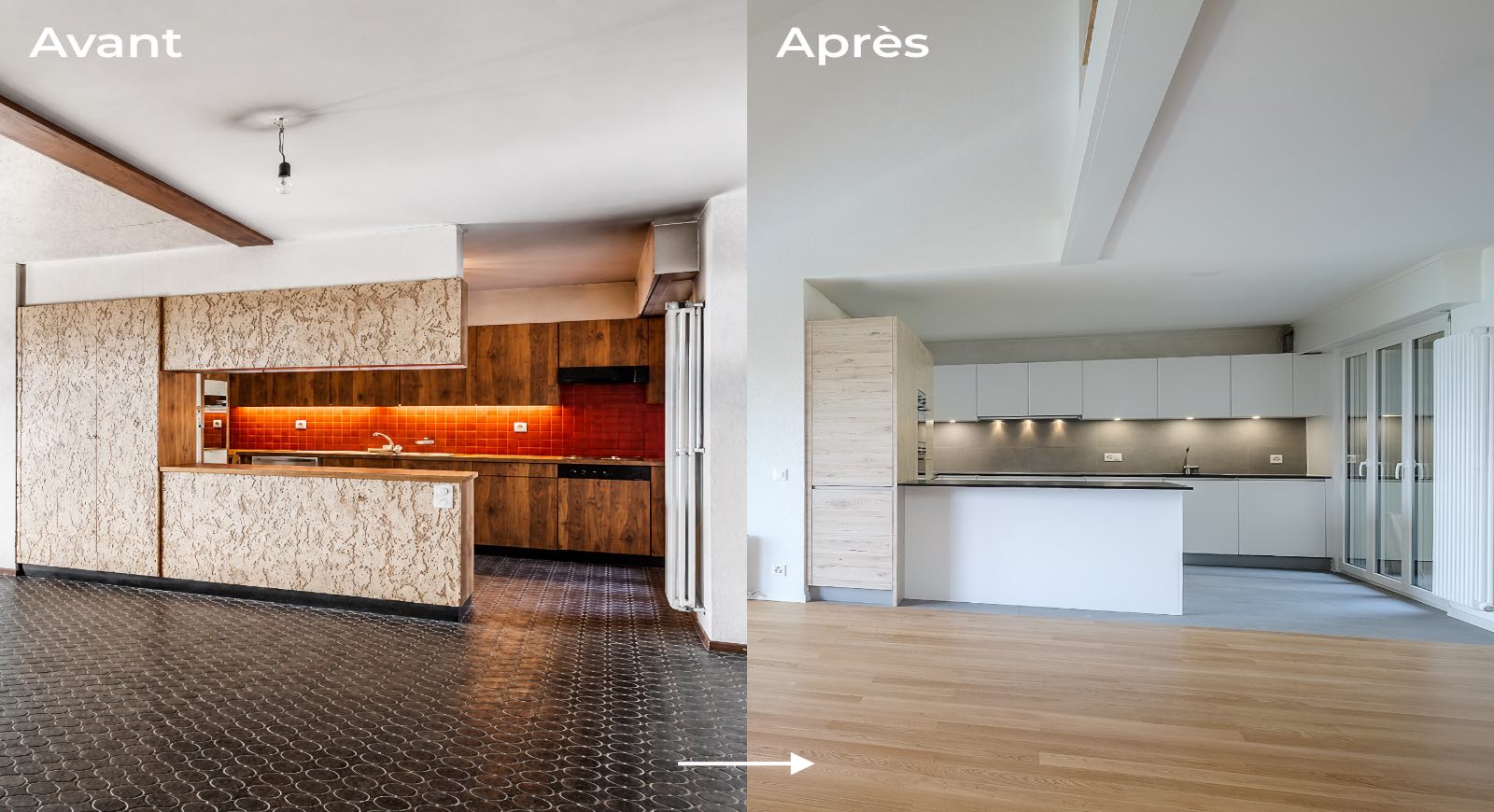
Swifthome offers a service designed to simplify the process by purchasing properties quickly and in their current condition throughout French-speaking Switzerland.
After assessing the property, Swifthome can provide you with a free, no-obligation purchase offer. You will know exactly how much is being offered, allowing you to move forward with greater peace of mind.
No renovations required. No viewings to organise. No long months of waiting.
With Swifthome, you can access liquidity within 15 days.
Request an assessment of your situation and find out what offer could be made for the apartment or house concerned.